


Every year brings new design directions, but one thing remains constant—packaging is often the first interaction a consumer has with your brand.
So, brands must create functional and stylish packaging that conveys these emotions to attract new and old customers, because, as Delia Smith says,

Today’s consumers expect more than just attractive packaging. They want authenticity, sustainability, smart experiences, and transparency. Brands that embrace these expectations through thoughtful packaging design are far more likely to stand out on crowded shelves.
That’s why we’ve compiled 10 packaging trends that are shaping 2026—from nostalgic design revivals to AI-powered smart packaging.
Let’s dive in.
Quick summary
- Technology is redefining packaging, with smart packaging and AI, improving traceability, compliance, and consumer interaction.
- Sustainability is influencing both materials and design, pushing brands toward recyclable formats, reduced packaging, and eco-friendly materials.
- Transparency and minimalism are becoming key design principles, helping brands communicate quality and build consumer trust.
- Storytelling through design is gaining importance, with vintage aesthetics, localized imagery, and subtle details creating stronger brand connections.
- Packaging is becoming an experience, with textures, interactive elements, and thoughtful design improving the way consumers engage with products.
1. Vintage designs
Vintage design continues to make a strong comeback in packaging.
The groovy typography, bold color palettes, and retro illustrations of the 60s and 70s evoke nostalgia and warmth—emotions that resonate strongly with consumers looking for familiarity in a fast-moving world.
Retro packaging can help brands communicate heritage, authenticity, and craftsmanship.

However, vintage aesthetics don’t work for every industry. For example, sectors like pharmaceuticals or high-tech products often benefit more from clean, modern designs that signal trust and innovation.
If you're considering vintage packaging, ask yourself:
- What message does this style communicate?
- Does it reinforce the brand story?
- Are competitors successfully using retro elements?
When used thoughtfully, your vintage design can transform packaging into a powerful storytelling tool.
2. Localized imagery
Consumers naturally connect with visuals that reflect their culture, geography, and everyday experiences.
Localized imagery in packaging helps brands build stronger emotional connections by making products feel more familiar and relatable.
Instead of relying only on well-known landmarks, brands can incorporate:
- Local architecture
- Cultural symbols
- Lifestyle imagery
- Regional landscapes

The only caveat of using localized imagery is that you’ve got to be sensitive to the meaning of images used in your packaging. For instance, dragons are seen as a symbol of good luck in China, while they’re viewed as a bad omen in other cultures.
Done right, localized imagery turns packaging into a bridge between the brand and its community.
3. Smart packaging
Smart packaging combines technology and design to improve product safety, traceability, and user experience.
It generally falls into two categories:
Active packaging
This interacts with the product to maintain freshness or extend shelf life.
Examples include:
- Oxygen absorbers
- Moisture regulators
- Antimicrobial materials
Intelligent packaging
This communicates information to consumers or manufacturers in real-time through technologies like:
- QR codes
- NFC tags
- Temperature indicators
- Freshness sensors

Smart packaging is especially valuable in industries like pharma, food, and raw ingredients, where safety and traceability are critical.Beyond functionality, it also helps brands build trust and transparency with consumers.
4. Sustainable packaging
Sustainability has shifted from a trend to an expectation.
Consumers are increasingly conscious of choosing brands that demonstrate real environmental responsibility.
This has pushed companies toward:
- Compostable materials
- Recyclable packaging
- Reduced plastic usage
- Lightweight packaging designs

Besides environmental benefits, sustainable packaging can also improve logistics efficiency. Using less material often means reducing your packaging weight by 78%, reducing shipping costs, and using better storage.
Learn more about sustainable packaging here.
5. AI-powered packaging
Artificial Intelligence is transforming packaging design and management, and so many leading brands are already adopting it.
AI is helping brands:
- Generate packaging design concepts faster
- Optimize packaging size and materials
- Predict consumer preferences
- Automating compliance checks and label verification
AI-led artwork management tools such as Artwork Flow are also improving artwork management workflows, helping teams detect errors, maintain regulatory compliance, and accelerate approval processes.
In short, AI is helping brands move from reactive packaging design to data-driven packaging strategy.
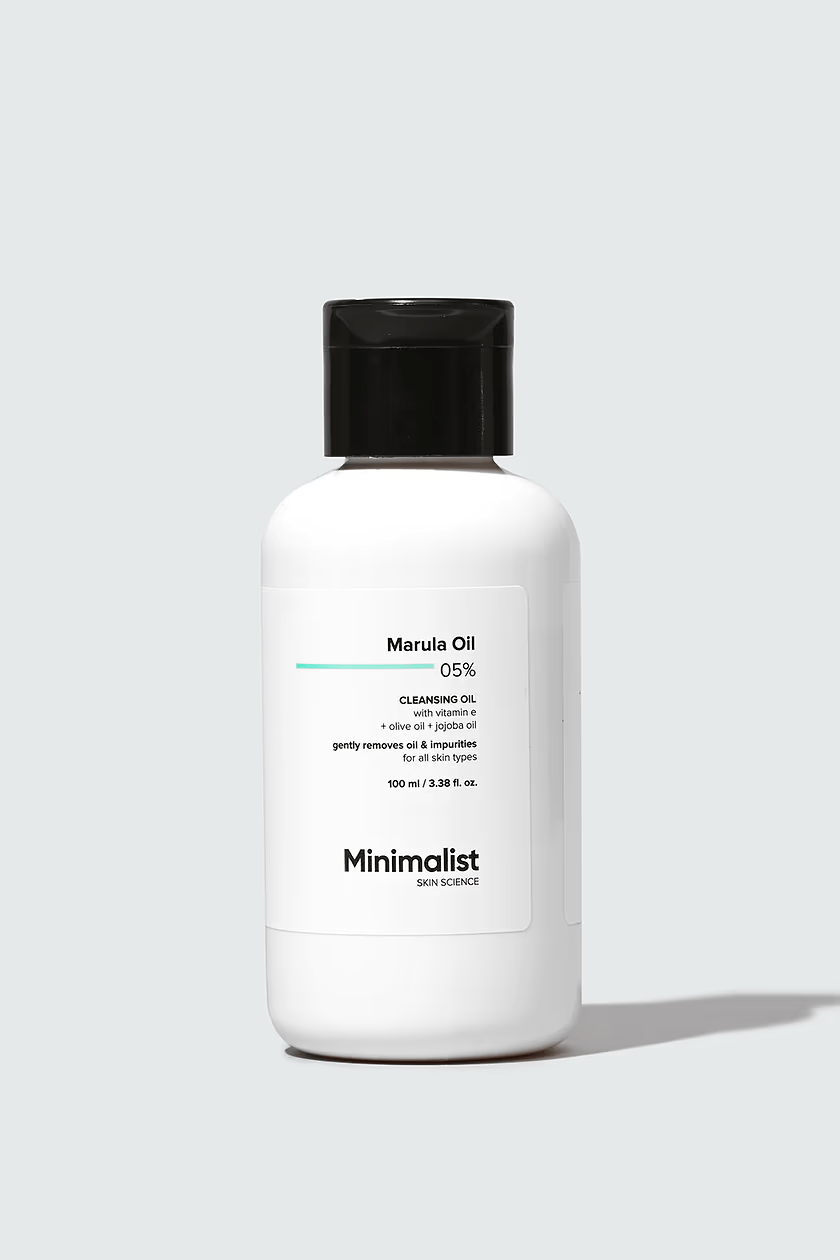
6. Minimal packaging
Minimalism is becoming a defining design philosophy in packaging.
Instead of overwhelming consumers with information and visuals, brands are opting for:
- Clean layouts
- Limited color palettes
- Simple typography
- Focused messaging
Minimal packaging helps products stand out by doing less, but doing it better.
It also aligns well with sustainability goals since minimalist designs often use less ink, fewer materials, and simpler production processes.
The result is packaging that feels modern, premium, and environmentally responsible.
7. Transparent packaging
Consumers today want to know exactly what they’re buying. Even visually.
Transparent packaging answers that need by literally showing the product inside.
This trend communicates:
- Honesty
- Product quality
- Ingredient transparency

It’s particularly effective in industries like food, cosmetics, and wellness products, where consumers value visible proof of freshness and quality.
Even partial transparency, such as windows or clear panels, can make packaging feel more trustworthy and authentic.
I mean, who wouldn't love to get a sneak peek at what they're going to consume?
8. Interactive packaging with moving parts
The trend of incorporating innovative moving parts into packaging design is a creative response to the growing consumer demand for not just products, but experiences. This approach transforms the act of unboxing into an engaging, memorable event that can significantly improve the consumer's interaction with the product. And if you're lucky, your packaging could become an elite member of the popular unboxing videos on social media.
This packaging design can range from simple interactive elements to complex mechanisms that reveal the product in stages or through engaging actions.

Additionally, innovative moving parts offer brands a unique opportunity to stand out in a crowded market. By embedding creativity and interactivity into the packaging, brands can leave a lasting impression on consumers, fostering brand loyalty.
9. Personalized packaging & on-demand printing
Imagine seeing your name customized on your Nutella jar! Personalized packaging will always be a crowd favorite.
With advances in digital and on-demand printing, companies can now produce customized packaging designs in smaller batches without high production costs. This allows brands to customize packaging for specific audiences, seasonal campaigns for Christmas or Thanksgiving, or launch limited-edition products for Star Wars fans.
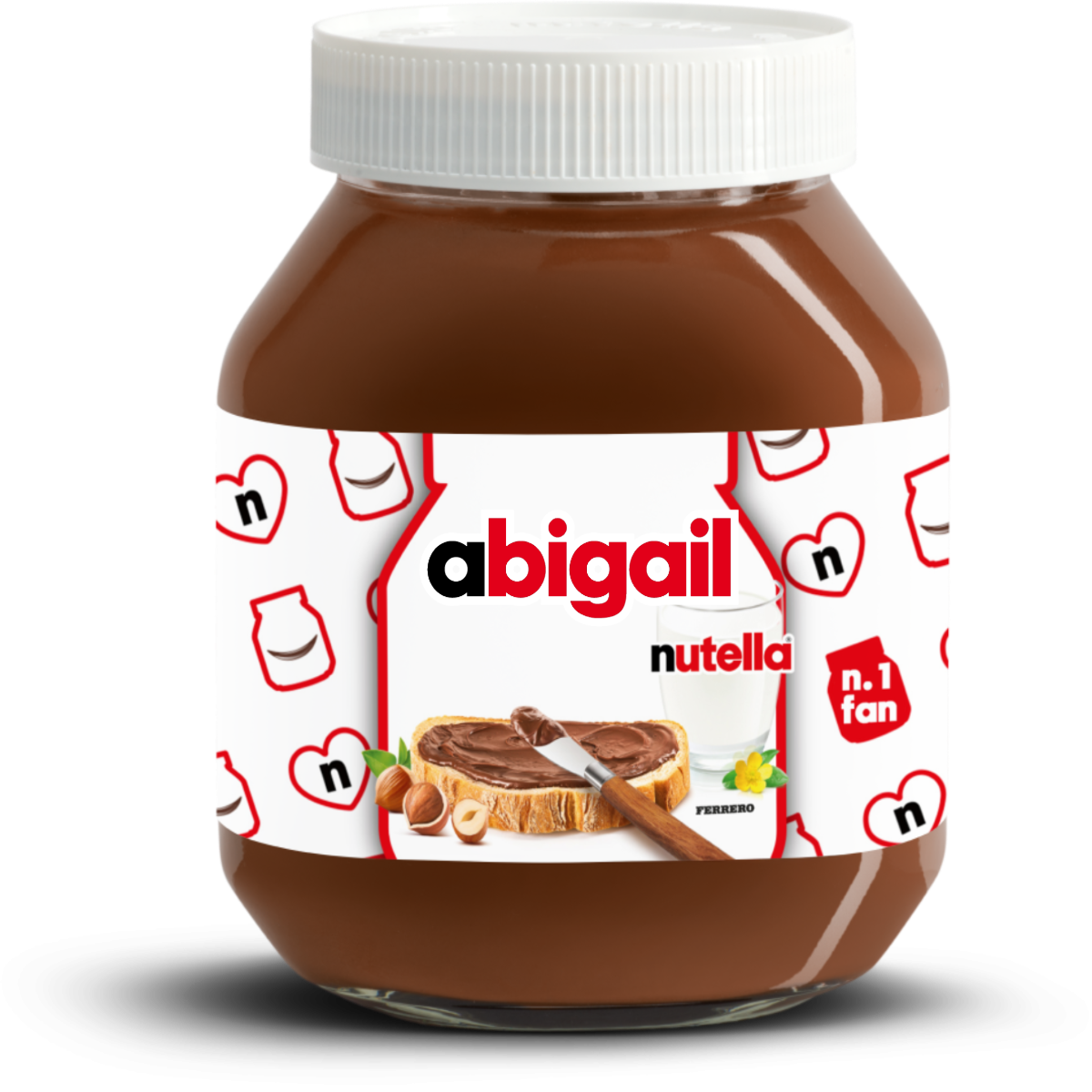
Personalization also turns packaging into a powerful marketing channel, helping products stand out both on shelves and on social media.
10. Rock textures
The Rock Textures trend in packaging design is a fascinating evolution that emphasizes the connection between the product and its natural origins. This trend goes beyond mere aesthetics. The rock-inspired textures, stone-like finishes, and raw surfaces create a multi-sensory experience that goes beyond visuals.
These textures communicate a brand's authenticity, natural origins, craftsmanship, and premium quality.

By incorporating elements that mimic natural textures, brands can communicate their commitment to natural ingredients, eco-friendliness, or sustainability. This trend is particularly relevant in industries like cosmetics, organic, and lifestyle products, where the origin and purity of ingredients are significant selling points.
Overall, employing rock textures can elevate a brand's perception, suggesting quality, luxury, or a strong environmental ethos. This differentiation is vital in competitive markets where consumers are bombarded with choices.
Wrapping Up
Packaging is evolving rapidly as brands respond to changing consumer expectations, sustainability demands, and new technologies.
To stay competitive in the market, brands should focus on packaging technology, relevance, values, and intent.
While staying abreast of the trends is important, maintaining compliance and sticking to the best artwork management practices is also necessary.
If you want to take a step further to ensure label compliance, improve the artwork management process, and accelerate the time to market, check out Artwork Flow.


.jpg)


