



Let’s be honest for a second. If you work in the Food & Beverage (F&B) industry, you probably spend half your life hunting for a PDF. Not just any PDF—the "final_final_v3_REVISED" version of a sauce bottle label.
You find it, send it to the Legal team, and then wait.
And wait.
By the time they get back to you, the strawberry season is over, and everyone is onto pumpkin spice.
Managing packaging artwork in a world of shifting regulations, multiple languages, and picky stakeholders is a nightmare. But some of the biggest names in the business have found a way out. They are using Artwork Flow to turn their chaotic "email-and-hope" strategy into a streamlined machine.
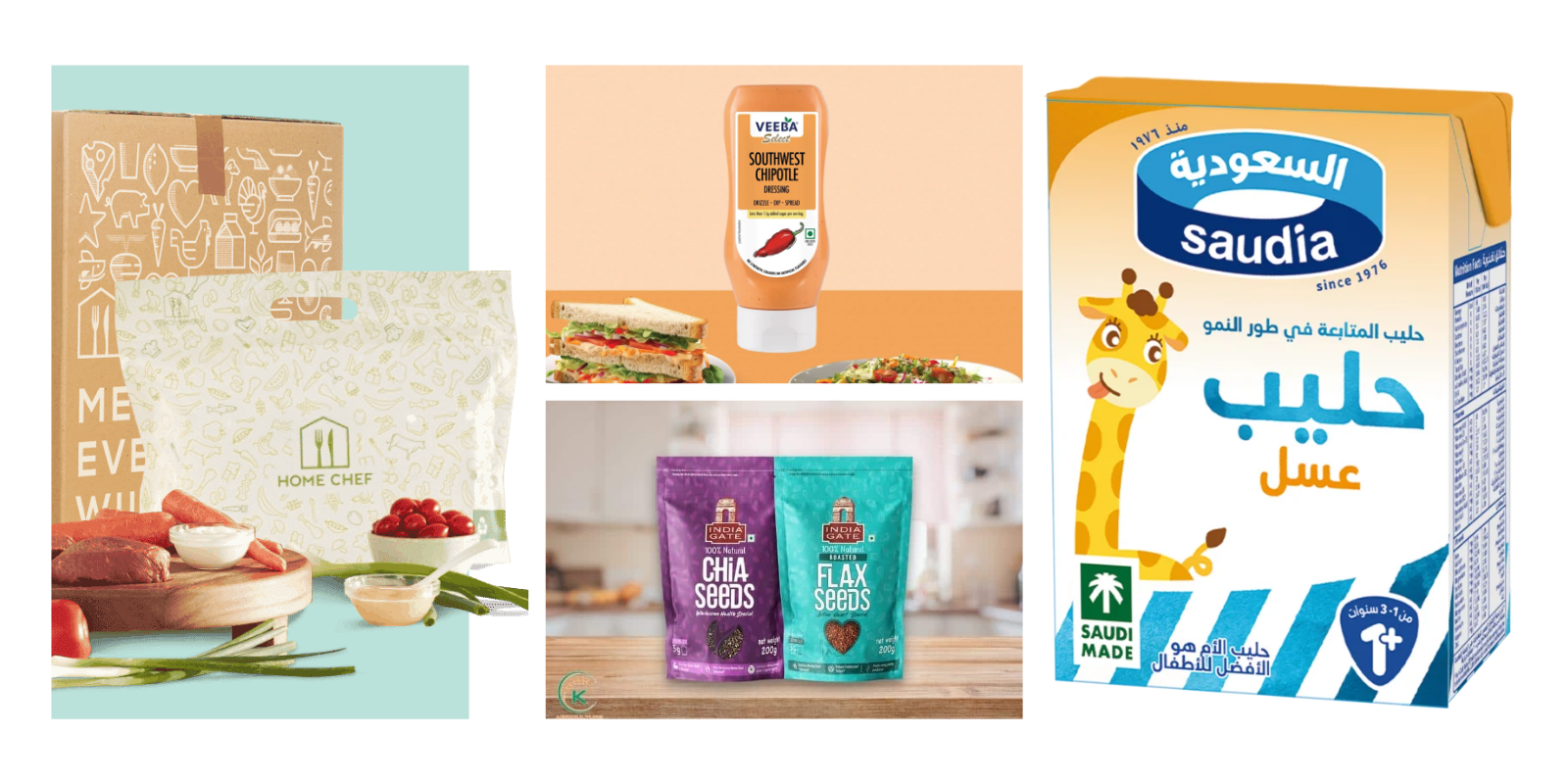
Here is how brands like Home Chef, India Gate, and SADAFCO are changing the game without losing their sanity.
1. The death of the feedback loop of doom
In the old days (say, about three years ago) feedback was a sport. You would get an email with a vague comment like "make the logo pop" or "fix the red." Which red? The logo red or the strawberry red? Nobody knew.
Home Chef, the meal kit giant, faced this exact headache. They were using Google Excel trackers to manage label reviews. If you have ever tried to describe a visual change in a spreadsheet cell, you know it is about as fun as eating unseasoned kale.
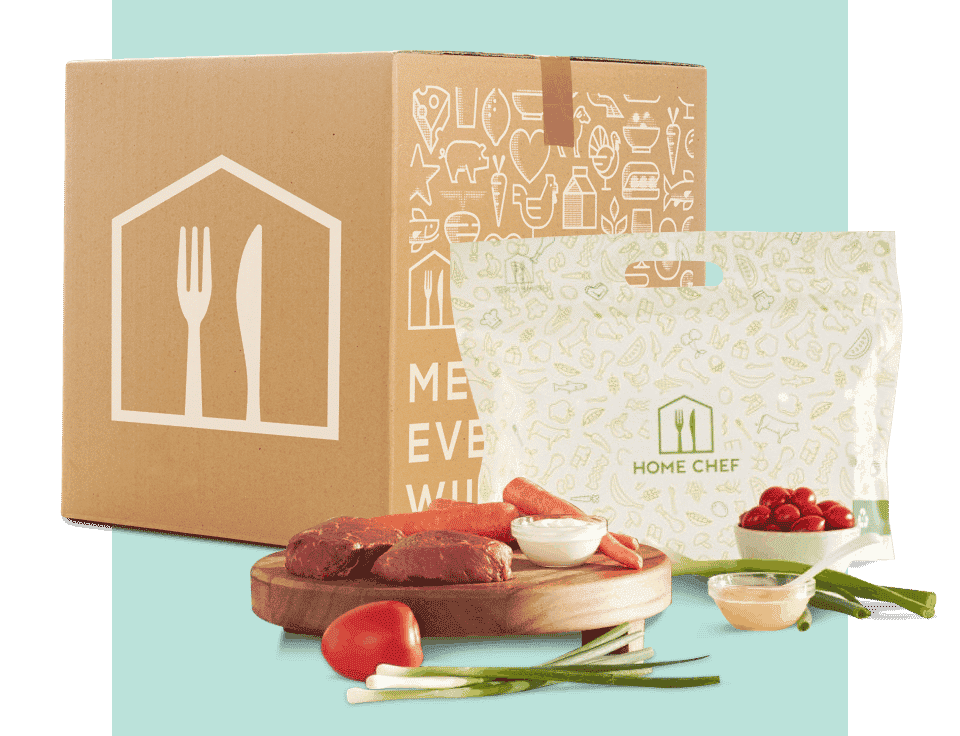
It took them roughly 30 minutes to review a single label because the back-and-forth was so messy.
Then they switched to Artwork Flow. Instead of writing paragraphs of text, they started using online proofing tools to drop a pin exactly where the change was needed.
The result: Their review time dropped from 30 minutes to 10 minutes. Cumulatively, that is a whole lot of time monthly to focus on making food that actually tastes good.
2. Avoiding the allergen apocalypse
In F&B, an embarrassment is not the only side effect of a typo. Typos are also expensive.
One missed mention of peanuts or gluten can lead to a massive product recall. This is why F&B brands are extra careful with reviewing labels for errors.
Prana Organic and Simply Lunch know this review pressure well. When you deal with organic snacks or fresh food-to-go, the technical and food safety teams are the most important people in the room. Before Artwork Flow, these teams had to dig through endless email threads to find the latest version of a design.

Simply Lunch now uses a digital asset management (DAM) library. It gives them 100% visibility into different versions of creatives to avoid errors.
So if your food safety officer needs to check a label at 3:00 PM on a Friday, they do not need to call your marketing manager. They just log in, see the version history, and verify the data.
3. Launching at the Speed of Light (or at least Diwali)
Timing is everything. If you are a snack brand like Chitale Bandhu Mithaiwale, you don't just launch products whenever you feel like it. You have festivals like Diwali where demand goes through the roof.
Chitale launches 10 to 15 products every month. That means they are juggling 50 different artworks at any given time, often in multiple languages. Relying on printed checklists and physical signatures was slowing them down. Even a two-day delay in approval could ruin a seasonal launch.
By using Artwork Flow’s automated workflows, they created dependency tasks.
This means the designer cannot start until the brief is uploaded, and the legal team cannot approve until the designer is done. It is essentially a digital assembly line.

Chitale saved over 1000 staff hours every month. That is 1000 hours they can now spend on making more Bakarwadi. Everyone wins.
4. The "check it twice" strategy
India Gate, one of the world’s largest basmati rice brand, had a similar problem. They wanted to reduce their Turnaround Time (TAT) and avoid labelling mistakes.
They fell in love with a specific feature: the comparison tool.
When a designer sends a new version, the software overlays it on the old one. It highlights exactly what changed. If the designer accidentally moved a logo three pixels to the left, the system catches it.
India Gate reduced their artwork errors by 60%. Their turnaround time went from 10 days down to about four.
When you are shipping rice to every corner of the globe, that kind of speed is a massive competitive advantage.
5. Keeping everyone on the same page (literally)
If you are a smaller brand or a family-run business like Jones Dairy Farm, every minute counts. You do not have a team of 500 people to manage a label change. You might have one marketing manager working with outside agencies and consultants.

Lisa Caras at Jones Dairy Farm found that email was eating her day alive. Version control was non-existent.
She brought in Artwork Flow to act as a single source of truth. Now, the external agencies upload their work directly to the platform. Lisa leaves her notes, the agency sees them instantly, and the "final" version is actually final. Her team even saw a 75% increase in efficiency.
6. Managing the global fridge
Then there is SADAFCO, the powerhouse behind Saudia Dairy. When you are a dominant player in the milk and ice cream market, you are dealing with a massive volume of SKUs.
Before automating, their approval process was like a long, slow hike through the desert. By moving to a centralized system, they cut their approval time by 50%.

Why F&B brands love the digital shift
You might be wondering why these brands don't just stick to the old way. After all, email is free, right?
The truth is that email is incredibly expensive.
It costs you time, it causes errors, and it burns out your best people.
F&B brands use Artwork Flow because it solves three specific problems that are unique to this industry:
1. Regulatory compliance: Labeling laws change faster than fashion trends. Having a central library where you can update a "rulebook" and apply it to all your labels is a lifesaver.
2. Version control: There is nothing more terrifying than accidentally printing 100,000 labels of an old version that has the wrong nutritional info. Artwork Flow makes it impossible to pick the wrong file.
3. Collaboration: Design is visual. Feedback should be visual. When you can draw on a digital proof, everyone understands the goal immediately.
The bottom line
The simple reality is that the food industry is moving too fast for manual processes. Consumers want new flavors, regulators want more transparency, and retailers want products yesterday.
The Food & Beverage brands we work with have realized that their secret sauce isn't actually a recipe but the actual process. By removing the friction from their creative workflows, they can spend less time arguing over font sizes and more time innovating in the kitchen.
If you are still using a spreadsheet to manage your packaging, you are basically trying to cook a five-course meal with a microwave. It might work, but it is going to be messy, and nobody is going to be happy with the result.
Artwork Flow provides the professional kitchen setup.
It gives you the tools, the organization, and the speed to make sure your brand looks as good on the shelf as it tastes on the plate.
So, take a page out of the India Gate or Home Chef playbook. Stop the email madness. Start the flow. Your designers (and your legal team) will thank you.
Your customers, who get to see your new products on the shelf weeks earlier than before, will thank you too.
And hey, you might even get to leave the office on time for once. Now that is what I call a recipe for success.
.png)


_2.jpg)


