


.png)

When you spend time talking to clients—really listening—patterns emerge. After conversations with brands across pharma, food & beverage, agrochemicals, cosmetics, nutraceuticals, and more, we’ve heard the same frustrations surface time and again, often described in different words but pointing to the same root problems.
This post is our attempt to be transparent about what we’ve heard. Not a sales pitch. Just an honest summary of what artwork and packaging teams are dealing with, and what’s working for those who’ve found a better way.
1. Email was never built for artwork management
If there’s one thing nearly every client told us, it’s this: email is where artwork projects go to die.
Indofil Industries, a chemical major with 70+ product labels to manage, described their pre-Artwork Flow reality vividly. Feedback was marked on printed hardcopies, signed off, and physically passed to their design agency. When a revised version came back, all five teams had to review the entire artwork again from scratch because there was no record of what had been said before. With simultaneous regulatory changes rolling in from different geographies, chaos was the default state.
“There was a lack of visibility and transparency on different projects. We had to constantly follow up and didn’t know which artwork everyone was reviewing unless we asked them, and the answer would only be for that moment.”
— Vrishali Hirlekar, Executive Marketing Support, Indofil

LesserEvil, the healthy snack brand, had a similar story. They were using Asana layered on top of email threads, but managing 40–50 artworks a month meant project details were constantly slipping through the cracks. Finding the latest version of a file meant combing through email chains—a task that consumed hours that should have gone to creative work.
The lesson: teams don’t need more email management. They need a dedicated space where artwork files, feedback, version history, and approvals all live together.
2. When nobody is accountable, every project gets delayed
Accountability is invisible until it’s missing. Several clients came to us with a version of the same problem: work was being done, but no one could tell who was doing what, or whether it was done at all.
Forest Essentials, the luxury Ayurveda brand operating across 120 countries with 375+SKUs per country, had no system for assigning tasks to individuals. As a result, it was nearly impossible to know which team member was working on any given artwork. The result was confusion, missed deadlines, and a steady revenue loss tied to product launch delays.
Sarvotham Care, a global contract manufacturer handling over 50 projects in any six-month window, faced similar accountability gaps. With multiple brands, parallel teams, and remote work accelerated by the pandemic, they had no reliable way to track who had done what or when. Feedback loops that should have taken days were stretching into one to two weeks per iteration.
Audit trails, task assignments, and checklists changed everything for these teams. When every stakeholder knows their role and every action is logged, follow-up becomes a formality rather than a full-time job.
3. Compliance errors are more expensive than they look
Most brands underestimate the cost of getting a label wrong until it happens. The financial hit of a product recall or regulatory fine is obvious. The hidden costs such as reprinting, reshipping, delayed launches, and lost retailer trust are what catch teams off guard.
Hammer Nutrition’s experience makes the stakes clear. Before Artwork Flow, their entire label compliance process was manual. There was no version tracking, no accountability system, and errors, from typos to incorrect barcodes, sometimes made it all the way to distributors and customers before being caught. New product label cycles were taking 3–4 months. They were catching only about 30%of packaging errors before they went to print.
“I don’t think we can function effectively without Artwork Flow. At all.”
— Jewel Hiebert, R&D Department, Hammer Nutrition

After implementing structured compliance workflows and AI-powered proofing, Hammer Nutrition’s error catch rate jumped to 96%. Label turnaround for existing SKUs dropped from 3–4 months to just 2–3 weeks.
For LesserEvil, FDA compliance wasn’t optional, it was existential. As a food & beverage brand, an error in packaging design could trigger costly product recalls. Accurate proofing of key line dimensions and regulatory claims had to happen at scale, every single time.
The lesson here is not that teams are careless, it’s that manual processes simply can’t maintain the level of attention that compliance demands across hundreds of SKUs.
4. Growing brands break their own processes
Several clients were managing artwork perfectly well, until they weren’t. Growth is usually the culprit.
Ashish Life Science, one of the fastest-growing manufacturers of animal health and veterinary products, found that what worked for a handful of SKUs broke down entirely when their product range expanded. Approval rates suffered as the volume overwhelmed their existing process.
Forest Essentials faced a version of this too. Three thousand seven hundred fifty SKUs across ten countries, each with its own regulatory labeling requirements. A process that worked at smaller scale became unmanageable. Any label that didn’t meet a country’s requirements risked damaging a brand built on trust and authenticity.
The pattern is consistent: brands that have grown quickly often have creative and packaging workflows that were built for an earlier, smaller version of themselves. Scaling the team doesn’t fix it, it just adds more people to a broken process.
5. Rebrands and global launches expose every gap
If day-to-day artwork management is challenging, a global rebrand is the ultimate stress test. Every coordination weakness gets amplified.
FitForMe, a science-based health supplements brand operating in 20 countries, set out to rebrand over 200 SKUs. Their initial estimate was approximately a year and a half. Fragmented communication across teams and markets, combined with strict regulatory requirements and constantly changing ingredient lists, made tracking impossible. Artwork was being chased through emails and multiple platforms with no single source of truth.
“Our initial estimate was roughly a year and a half to rebrand 200 SKUs. Just seven to nine months after adopting Artwork Flow, we’re already near the finish line.”
— Sylvia Effendi, Global Marketer, FitForMe
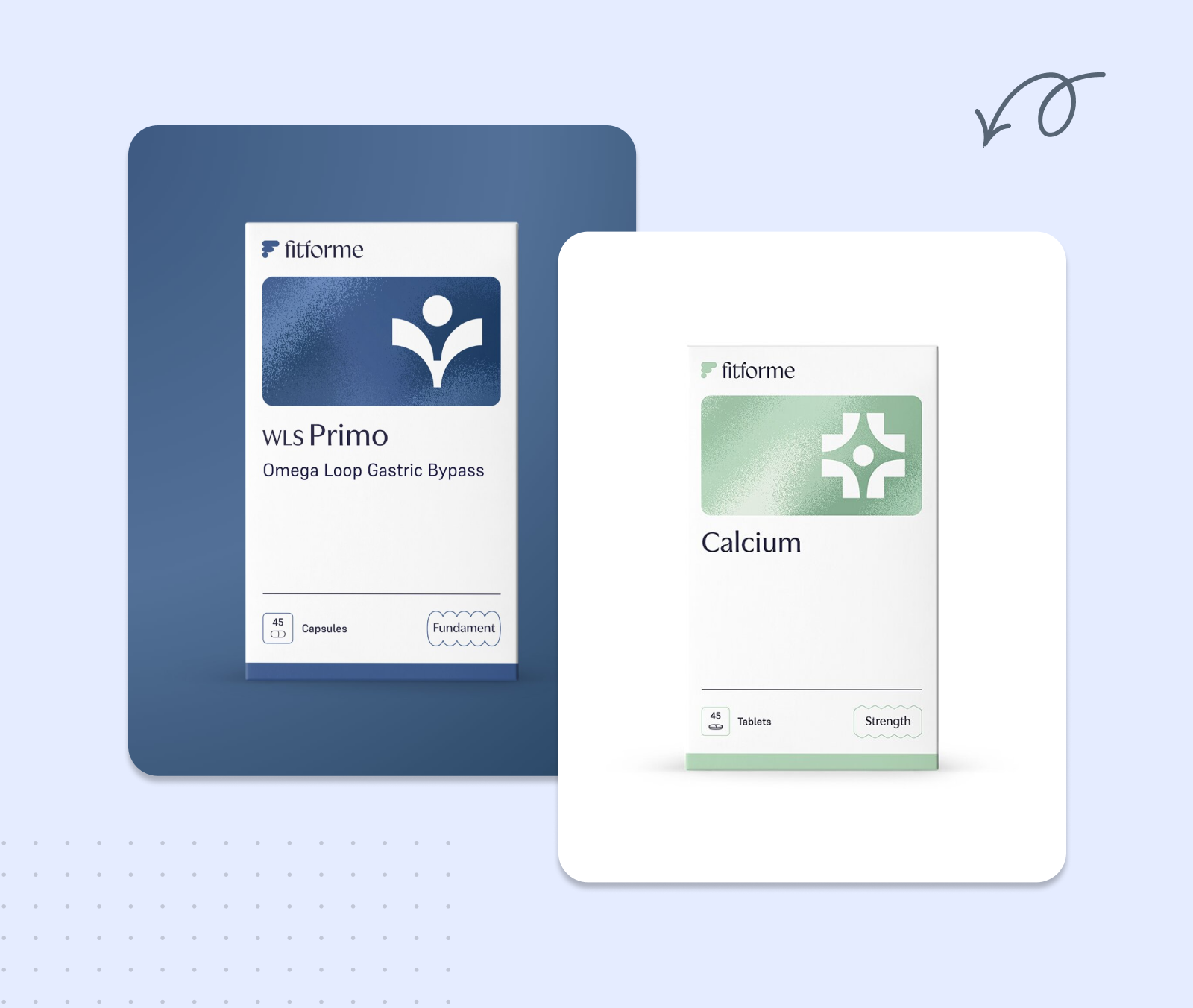
What changed wasn’t the complexity but the structure. Centralized dashboards, clear task ownership, and automated routing meant FitForMe could see the status of every SKU at any given moment and act before production windows were missed.
Indofil saw a similar impact. Within four weeks of adoption, their teams had fully transitioned to digital approvals. They went from averaging five revision cycles per artwork to just three—a 40% reduction—and completed 400 projects with 750 artworks approved on the platform.
6. The approval bottleneck is usually a visibility problem in disguise
When clients tell us approvals are slow, we’ve learned to dig deeper. In most cases, the delay isn’t really about the approval step itself but everything that happens before it.
Sarvotham Care’s approval cycles were stretching to one to two weeks per iteration, not because reviewers were slow, but because reviewers couldn’t easily see what needed their attention, what had already been reviewed, or what feedback remained unresolved. Without visibility, every step required a follow-up conversation.
Sarvotham Care achieved 80% faster approvals by giving project managers complete visibility into the project dashboard and equipping reviewers with annotation tools, PDF comparison, and structured checklists that made reviewing faster and more focused.
Ashish Life Science increased their approval rate by 70% through a similar shift: moving from reactive follow-ups to a system where every collaborator knew exactly what was expected of them and when.
Visibility, it turns out, is the fastest path to speed.
7. The biggest ROI is time—and it shows up everywhere
Every client we’ve spoken to measures success differently, but time savings come up in almost every conversation.
ParagonCorp’s Technology Experience Lead captured it plainly: before Artwork Flow, calculating ongoing projects meant manually sifting through emails to report to management. Now, dashboard analytics make project reporting a matter of minutes.
“Before, we’d calculate ongoing projects manually from our emails to report to management. Now, Artwork Flow’s dashboard analytics have made project reporting and analysis so much easier.”
— Dennis Corleon, Technology Experience Lead, ParagonCorp

Hammer Nutrition’s R&D team saved 10–15 hours per review cycle and now processes over 600 labels a year—time that’s been reinvested into trend research and product innovation rather than email management.
LesserEvil launched over 50 products through the platform and cut their time to market by 60%. Fewer revisions, faster reviews, cleaner handoffs to printers.
The ROI of artwork management software is rarely just about the software. It’s about the hours reclaimed from coordination overhead and redirected toward work that actually moves the business forward.
What this means for you
Whether you’re a global manufacturer managing thousands of SKUs or a fast-growing FMCG brand scaling your product line, the problems our clients described are likely familiar. Fragmented feedback. Missed deadlines. Compliance anxiety. Too many versions of the same file. An approval process that nobody fully trusts.
These aren’t signs of a failing team. They’re signs of a team that has outgrown its tools.
The brands that solved these problems didn’t do it by hiring more people or sending more emails. They built a single, structured system around their artwork workflow and let visibility, accountability, and automation do the heavy lifting.
If any of this resonates, it will be worth it to invest in a tool like Artwork Flow.
.png)


_2.jpg)


